
What’s Happening
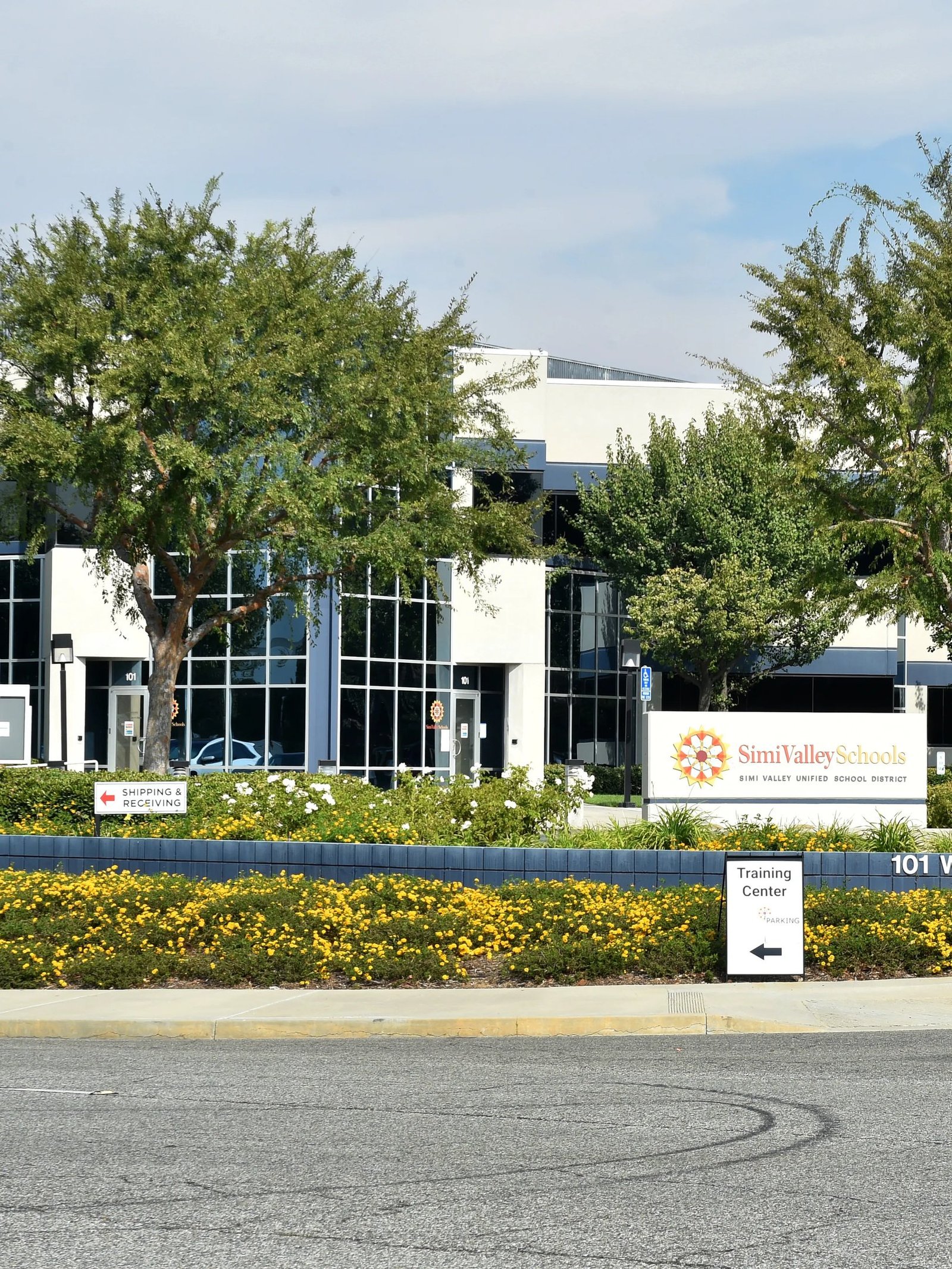
SIMI VALLEY, Calif. — A new cafeteria assistant at Simi Valley Unified School District earns $18.07 an hour. A new crew member at a McDonald’s in town must be paid at least $20.
The district’s superintendent, Hani Youssef, was paid $304,444 in 2025. Over a standard full-time work year, that is about $146 an hour, roughly eight times the cafeteria assistant’s rate.
That gap is at the center of a discussion about how Simi Valley Unified treats its classified employees, the workers who are not teachers. They include classroom aides, custodians, bus drivers, cafeteria workers and office staff. Chapter 310 of the California School Employees Association, or CSEA, represents them.
A Ledger review of district pay schedules, job ads, health rate sheets, board records and state data found that Simi Valley Unified is not paying many of its employees a living wage. Many entry-level jobs start below the state’s fast-food wage. Even at the top of the pay scale, aides, cafeteria workers, custodians and bus drivers earn less than a single adult needs to get by in Ventura County.
New health rates that took effect Oct. 1, 2026, made things harder. A plan that used to be free now has a monthly charge, and costs for some part-time workers more than tripled. For some part-time workers who cover a family, the yearly jump in health costs is bigger than the raise the school board approved in January 2026.
Since April 2024, California law has required most large fast-food chains to pay at least $20 an hour, according to the state Department of Industrial Relations.
Simi Valley Unified’s 2026-27 classified salary schedule shows many school jobs starting below that. Cafeteria assistants begin at $18.07 an hour and top out at $21.97. Paraeducators, the district’s classroom aides, start at $18.26 and top out at $22.19, the same as administrative clerks. Special education aides start at $19.19 and can reach $23.32. Custodians start at $20.98, and bus drivers start at $23.18.
The district is still hiring at these rates. In July 2026, it posted a job ad seeking to fill 60 special education aide jobs at $19.19 to $23.32 an hour. None of the district job ads the Ledger reviewed mention health benefits.
Many of these jobs are part time and last only the school year. A September 2026 job ad for a cafeteria assistant at Simi Valley High School lists hours of 10 a.m. to 1 p.m., or 15 hours a week. Ads for Spanish-speaking aides list shifts of 3 to 3¾ hours a day. An October 2026 ad for an aide for deaf and hard-of-hearing students lists 30 hours a week. That is just under the 30.5 hours the district requires for full-time health rates. The district’s health rate sheets list no prices at all for workers under 20 hours a week.
In January 2026, the school board voted 5-0 to approve a deal with CSEA Chapter 310. It gave classified workers a 2 percent raise, backdated to July 2025, plus a one-time $660 payment.
Eight months later, new health rates took effect. The Ledger compared the district’s 2026-27 rate sheets with those for 2025-26.
The no-cost plan is gone. In 2025-26, full-time classified workers paid nothing for Anthem’s Select Classic 20 HMO, and the district had offered a free option since at least 2019. Now a full-time worker pays $13 a month for self-only coverage and $56 to cover a spouse and children. The only free plan left makes members pay the first $3,000 of their medical bills each year, or $6,000 for a family, before most coverage starts.
Family coverage costs more on most plans. For a full-time worker covering a spouse and children, Kaiser rose from $70 to $98 a month. Self-only Kaiser coverage dipped from $36 to $35.
Part-time workers were hit hardest. Under the district’s part-time rate sheet, a 30-hour worker on the Classic 20 HMO now pays $114.39 a month to cover a spouse and children, up from $24.24.
Consider a starting cafeteria assistant who works 20 hours a week. The raise added about 35 cents an hour. Over a school year, that worker earns roughly $13,300 to $14,500. Family coverage on Kaiser now costs about $11,100 a year, or roughly 75 to 85 percent of that pay. The family charge rose more than $1,000 a year, nearly four times what the raise adds.
Workers warned about this in May 2026. A local editorial said some rates were reportedly climbing 100 to 300 percent and called the increases “not inconvenient; they are devastating.”
Why It Matters
The pay falls well short of what it costs to live here. The MIT Living Wage Calculator estimates that a single adult with no children in Ventura County must earn $31.41 an hour, working full time, to pay for basic needs. A single parent with one child needs $55.75.
None of the jobs above reaches $31.41, even at the top step. A paraeducator tops out about $9 short. A bus driver at the top step falls about $3 short. A new teacher with a bachelor’s degree also falls short, earning $58,025 for a 187-day work year under the district’s 2025-26 teacher salary schedule. A full year at the living wage comes to about $65,300.
“Right now, these employees are working below a living wage,” Richard Rubino, president of CSEA Chapter 310, said in 2024, according to a news report.
The 2026 federal poverty guidelines are $15,960 a year for one person, $21,640 for two and $33,000 for a family of four.
School-year pay at the district’s lowest rates often falls below those lines, a Ledger calculation shows. A cafeteria assistant working three hours a day earns about $10,000 to $10,800 a year. A Spanish-speaking aide working the longest posted shift earns about $12,600 to $13,700. Both are below the poverty line for one person. A full-time cafeteria assistant or aide earns about $26,600 to $29,200, below the line for a family of four living on that paycheck. That worker’s own children would qualify for free school meals.
A worker whose spouse also earns money may not be poor. But in 2024, paraprofessional Jessica Melendez told the school board that some aides earn poverty-level incomes no matter how long they have worked for the district, according to a news report.
In February 2024, the school board voted 4-1 to cut the hours of 33 classified workers from more than six hours a day to six, according to a news report. That put them just under the cutoff for reduced-cost health benefits. Trustee Kareem Jubran cast the only no vote.
Aides who work with disabled students had urged the board to keep their hours. Mr. Rubino said the cuts “would be detrimental to their personal and family lives.” Dr. Youssef disagreed. “We’re not going to have additional hours to the school day,” he said.
The cutoff matters. In 2026-27, a 30-hour worker covering a family on the Classic 20 HMO pays about $1,140 a year. A full-time worker pays about $670.
Who does this work also matters. In fall 2025, the district’s classified staff added up to about 756 full-time workers, according to state education data. About 38 percent were paraprofessionals such as classroom aides.
The classified staff is 56 percent white and 31 percent Latino. Asian workers make up 4 percent, multiracial workers 3.5 percent, and Black and Filipino workers 2 percent each.
Latino workers hold 39 percent of paraprofessional jobs but only about 26 percent of office jobs. Nearly half of the district’s Latino classified workers are paraprofessionals, whose jobs start as low as $18.26 an hour.
The staff also does not reflect its students. About 48 percent of the district’s students were Latino in 2024-25, according to federal enrollment data. Countywide, Latino workers make up 57 percent of classified school staff.
The Big Picture
Pay at the top of the district, meanwhile, has kept rising. Dr. Youssef’s pay went from $270,761 in 2023 to $304,444 in 2025, payroll records show, as the Ledger reported in October 2026. With benefits, his total compensation reached $364,206. His two-year raise alone, $33,683, is more than a new full-time cafeteria assistant earns in a school year.
Associate Superintendent Ron Todo, who runs the district’s business side and is retiring, was paid $286,574 in 2025, up from $259,656 in 2023. The district’s three best-paid employees in 2025 were all on the superintendent’s leadership team.
About a decade ago, the district had one assistant superintendent and about 18,000 students, a local editorial said. It now has five, whose pay and benefits total nearly $1.9 million.
Enrollment was 15,081 in 2025-26, according to state data, and dipped below 15,000 in August 2026, according to a news report. “We’re graduating more seniors than we’re enrolling in kindergarten,” Dr. Youssef said. He said 860 kindergartners enrolled in 2026-27, down from just over 900 in 2025-26.
The January 2026 deal gave the same 2 percent raise to teachers and administrators. For higher-paid staff, 2 percent means many more dollars.
Nearby districts pay some aides more. Moorpark Unified advertised paraeducator jobs for the 2026-27 school year at $18.99 to $25.48 an hour. At the top step, that is $3.29 an hour more than Simi Valley pays. Conejo Valley Unified’s starting rate for a special education aide is also higher. Duties vary by district, so these comparisons are approximate.
For its part, the district buys health plans through Self-Insured Schools of California, a statewide pool it joined in 2021 to save money. District officials have said they cannot control insurance rates, according to the May 2026 editorial. But the district’s share of premiums is bargained with CSEA, not set by the pool.
The district also faces real budget pressure. Its $255 million budget for 2026-27 includes nearly $75 million for employee benefits and draws about $4.4 million from savings, according to a news report. And school jobs come with a CalPERS pension and a schedule that follows the school year.
CSEA’s current contract runs through 2027, according to the district’s website. The school board is set to review the district’s first interim budget on Dec. 15, 2026.
How we did this: Health costs compare the district’s 2026-27 and 2025-26 rate sheets and include medical, dental, vision and life insurance. School-year earnings assume about 184 to 200 paid days and are before taxes.